
From Directly Observed Treatment to Digital Adherence Technology (DOT to DAT)
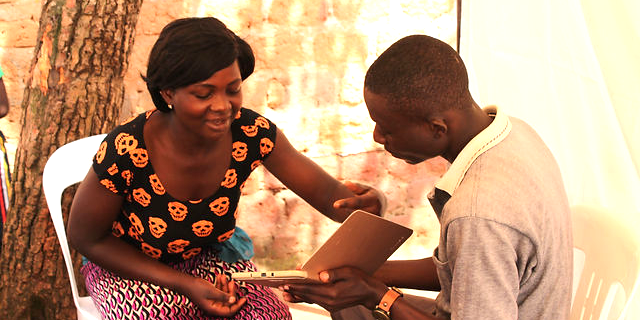
In collaboration with the Uganda TB Implementation Research Consortium, DOT to DAT is an implementation science study testing the use of Digital Adherence Technology in improving adherence to tuberculosis medication. We have enrolled 18 trial sites that meet eligibility criteria and randomized these sites into the study months when they will switch to the intervention. […]
Trace Ultra Result iNsight in TB Screening (TURN-TB)
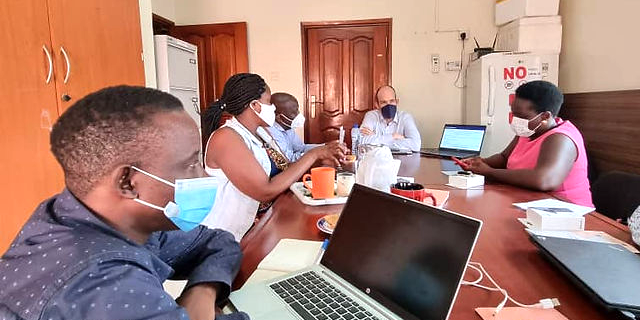
TURN-TB (Trace Ultra Result iNsight in TB screening) is a case-control study that aims to compare baseline Xpert® MTB/RIF Ultra (“Ultra”) assay “trace-positive” individuals to positive and negative controls and includes a longitudinal cohort study with TB-negative controls. Partly in coordination with the STOMP-TB study, the study conducts community-based TB screening as well as recruitment […]
Clinic versus Hotspot Active Case Finding/TPT Strategy Evaluation for Tuberculosis (CHASE-TB)
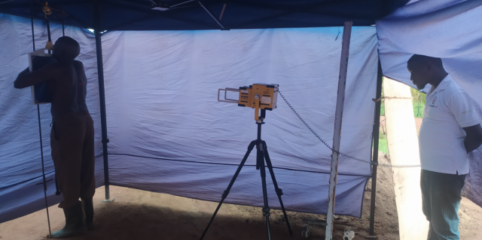
Key technological innovations have converged to make community-based campaigns to provide Active Case Finding (ACF) and TB Preventive Treatment (TPT) increasingly feasible over the past 5 years: Novel mobile x-ray with artificial intelligence = human, can screen masses. GeneXpert with results in ~2 hours, more accurate than microscopy, faster than culture Novel regimens with shortened […]
Evaluation of rapid non-sputum based biomarker-based tests for tuberculosis diagnosis
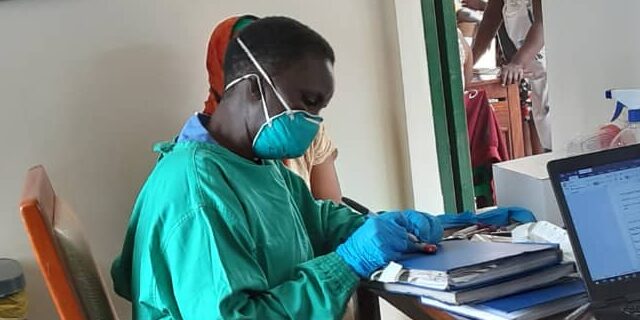
The study seeks to develop and evaluate non-sputum based tests for tuberculosis (TB), which is a leading priority for TB diagnostics research. Currently, we are focused on ways of processing tongue swabs for molecular detection of TB among non-hospitalized participants (age ≥12 years). Prior to sputum collection, participants provide tongue swabs for diagnostic accuracy testing […]
Evaluating the Impact of Cash Transfers on Tuberculosis (TB) Care – (ExaCT TB study)

TB extremely affects the poorest and most vulnerable populations. Unfortunately, a number of patients who seek TB care do not complete diagnostic evaluation and the principal reason is the failure to address their social and economic barriers. Notably, patients who develop TB spend >20% household income(catastrophic costs) just to obtain a diagnosis because of the […]
Re-Imagining TB Care in Uganda
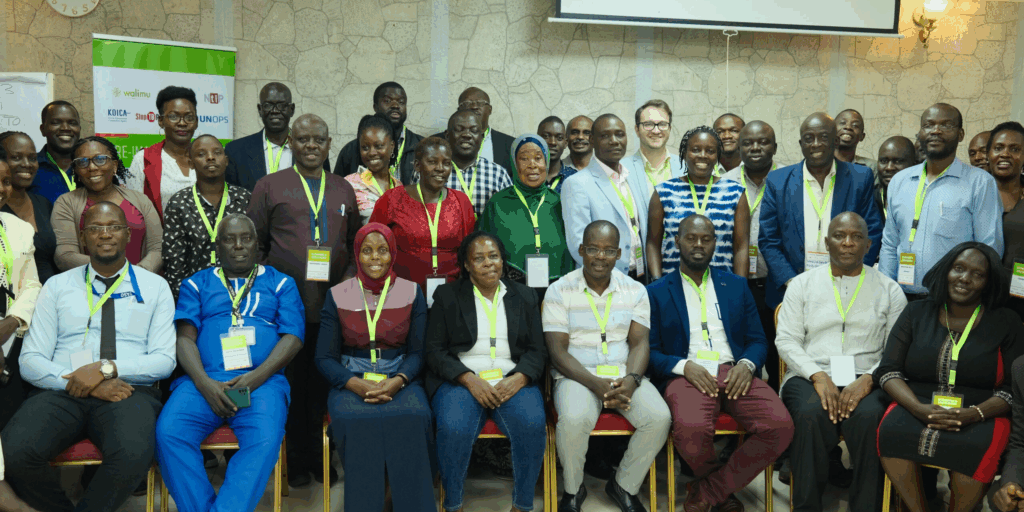
The RTC initiative was originally conceptualized at the first TB Innovation Summit, which was co-organized by the Stop TB Partnership, Johnson & Johnson, United Nations Foundation, Global Fund to Fight AIDS, Tuberculosis and Malaria (“Global Fund”), and the World Economic Forum, in advance of the first United Nations High-Level Meeting (UNHLM) on tuberculosis (TB)in September […]
Rapid Research in Diagnostics Development for TB Network (R2D2 TB Network) Study
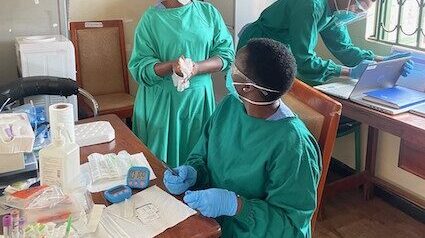
The R2D2 study aims to reduce the burden of TB worldwide through more accurate, faster, simpler, and less expensive diagnosis of TB Every year, more than 3 million people with TB remain undiagnosed and 1 million die. Better diagnostics are essential to reducing the enormous burden of TB worldwide. The Rapid Research in Diagnostics Development […]
Human-centered Design and Communities of Practice to Improve Delivery of Home-based TB Contact Investigation in Uganda (HCD-COP)
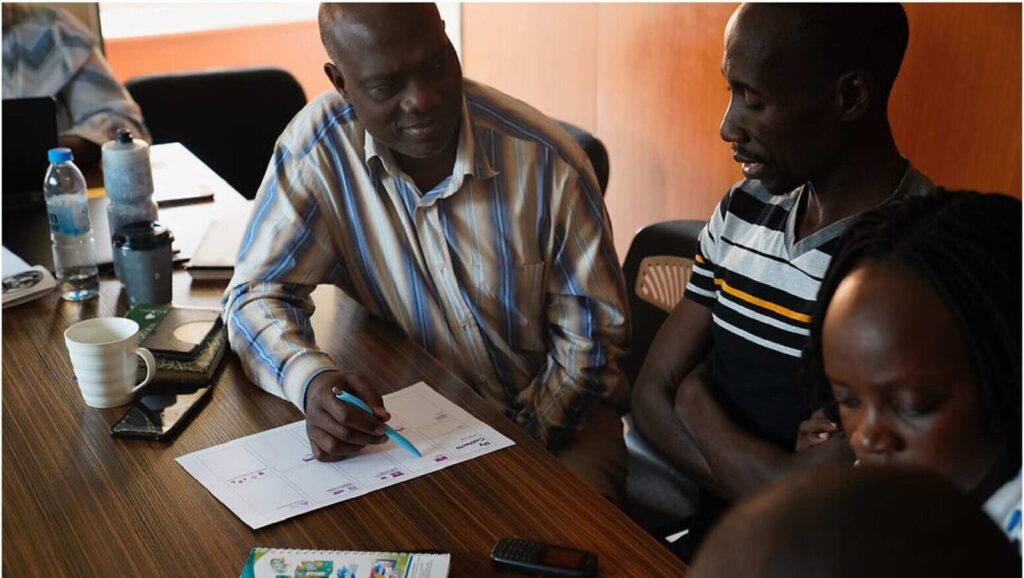
This is a study a stepped-wedge, cluster-randomized implementation trial to assess effectiveness, public health impact, and Tuberculosis (TB) diagnostic yield of a contact investigation enhanced implementation strategy compared to the usual care strategy. The enhanced implementation strategy has two principal components: An implementation facilitation package (TB education materials, a contact identification tool, a sputum collection […]