
Strengthening the connection between hospital and community care to improve recovery and survival outcomes for children after discharge.
Entebbe, Uganda | 29–30 October 2026
The World Alliance for Lung and Intensive Care Medicine in Uganda (WALIMU), together with national and international research partners, participated in the REConneCteD Co-Creation Workshop, held on 29–30 October 2026 at Protea Hotel, Entebbe.
The two-day workshop brought together healthcare professionals, researchers, digital health experts, policymakers, and other key stakeholders to explore innovative approaches to strengthening post-discharge care for children recovering from severe infections.
Through interactive discussions, patient journey mapping, and collaborative problem-solving, participants examined challenges affecting continuity of care and contributed ideas towards developing practical, sustainable, and locally appropriate solutions.
The workshop formed part of the broader REConneCteD (Risk-Enhanced Community Care After Discharge) research initiative, which seeks to improve child survival and recovery by strengthening connections between health facilities, community health workers, and families.
Addressing a Critical Gap in Child Healthcare
For many children recovering from severe infections, leaving the hospital does not necessarily mark the end of their health challenges.
Children may become unwell again after returning home, sometimes requiring urgent medical attention. However, families may face difficulties recognising early warning signs, accessing timely healthcare services, or maintaining communication with healthcare providers.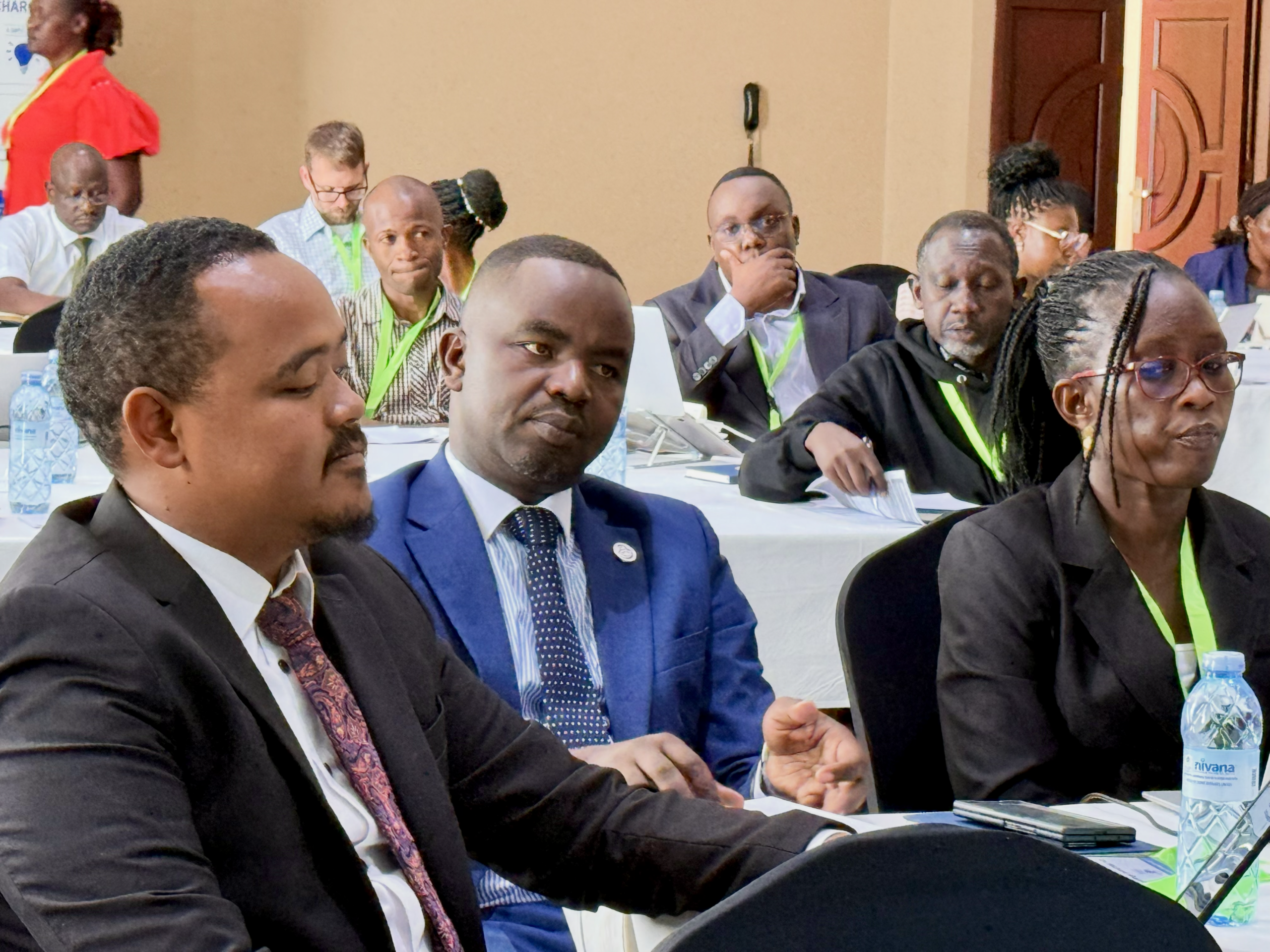
At the same time, health facilities and community health workers may lack integrated tools to identify children at greatest risk and coordinate appropriate follow-up care.
These challenges highlight the importance of strengthening healthcare systems beyond hospital discharge.
REConneCteD seeks to address this critical gap by supporting a more coordinated, risk-informed, and continuous approach to child healthcare, extending from hospital admission through discharge and recovery at home.
Understanding the REConneCteD Project
REConneCteD, which stands for Risk-Enhanced Community Care After Discharge, is a five-year research project implemented in Uganda and Kenya, supported by Global Health EDCTP3 and its members.
The project aims to improve post-discharge survival and care among children recovering from infections by strengthening the link between facility-based healthcare and community-based support systems.
It builds upon the foundations of Smart Discharges, a validated digital health tool that uses risk-prediction algorithms to help healthcare workers identify children who may face an increased risk of death following hospital discharge.
By integrating Smart Discharges risk-prediction capabilities with digital community care systems, REConneCteD aims to support healthcare workers in providing more personalised discharge guidance, caregiver education, and coordinated follow-up services.
The approach is designed to ensure that children and their families receive appropriate support throughout the recovery process.
How REConneCteD Will Strengthen Continuity of Care
The proposed REConneCteD solution integrates facility-based and community-based digital health systems to support coordinated care across four key stages.
1. Facility-Based Care
Healthcare workers use validated Smart Discharges risk-prediction algorithms to identify children who may require additional attention following hospital discharge.
This information can support risk-informed medical management, caregiver education, and discharge planning.
2. Hospital Discharge
Before leaving the hospital, caregivers receive tailored discharge guidance, follow-up plans, and counselling to help them recognise warning signs and understand when to seek additional medical attention.
Where appropriate, children can also be linked to community health workers for continued support.
3. Community-Based Follow-Up
Community health workers provide follow-up support, including reminders, caregiver education, and monitoring of children’s recovery.
Digital systems facilitate communication and information sharing between community health workers and healthcare facilities.
4. Recovery and Continued Support
Follow-up assessments and counselling help families navigate the recovery period, while mechanisms for early identification and referral support timely access to healthcare when additional attention is required.
Together, these components aim to promote coordinated, risk-informed care, more targeted use of healthcare resources, and stronger continuity of care from hospital to community.
Bringing Stakeholders Together to Co-Create Solutions
A central focus of the Entebbe workshop was ensuring that the REConneCteD intervention is informed by the experiences, perspectives, and practical knowledge of those involved in delivering and receiving healthcare.
Rather than developing solutions in isolation, the co-creation process encouraged participants to collaboratively identify challenges, examine existing workflows, and explore opportunities for improvement.
The workshop featured several interactive sessions, including:
- Understanding pediatric post-discharge mortality: Exploring factors contributing to poor health outcomes among children after leaving hospital.
- Patient journey mapping: Examining the experiences of children and caregivers as they transition from hospital care to recovery at home.
- Health facility and community care integration: Identifying opportunities to improve coordination between healthcare providers and community health workers.
- Digital health and information sharing: Exploring how digital tools can strengthen reporting, communication, and continuity of care.
- Collaborative solution development: Identifying practical interventions that can be adapted to local healthcare settings.
- Defining success and next steps: Discussing priorities for further development, implementation, and evaluation of REConneCteD.
The discussions also examined the strengths and limitations of existing systems, usability considerations, and opportunities to build upon the Smart Discharges initiative.
By involving diverse stakeholders, the workshop provided an important platform for ensuring that proposed solutions respond to real healthcare needs and operational realities in Uganda and Kenya.
WALIMU’s Role in REConneCteD
As a key consortium partner, WALIMU leads the clinical trial activities in Uganda and supports policy and implementation engagement.
WALIMU’s involvement contributes to the project’s efforts to generate evidence, strengthen collaboration among healthcare stakeholders, and support the development of practical approaches to improving post-discharge care.
Through its participation in the co-creation process, WALIMU is contributing to the development of an intervention that considers local healthcare delivery challenges, the needs of healthcare workers, and the experiences of children and their caregivers.
This work aligns with WALIMU’s broader commitment to improving healthcare quality and patient outcomes through research, innovation, and collaboration.
A Collaborative International Research Partnership
REConneCteD is implemented by a multidisciplinary consortium bringing together expertise in clinical research, digital health, implementation, policy engagement, and health economics.
The consortium includes the following partners:
| Consortium Partner | Country | Role |
|---|---|---|
| University of British Columbia | Canada | Consortium coordination, project management, and technology development |
| World Alliance for Lung and Intensive Care Medicine (WALIMU) | Uganda | Clinical research, policy, and implementation engagement |
| KEMRI-Wellcome Trust Programme | Kenya | Clinical research |
| Amref Health Africa | Kenya | Integration and implementation support |
| Brock University | Canada | Health economics evaluation |
The collaboration brings together complementary expertise to support the development, implementation, and evaluation of REConneCteD across Uganda and Kenya.
Building on Evidence from Smart Discharges
REConneCteD builds on previous research and implementation experience generated through the Smart Discharges initiative.
Research conducted in Uganda and the wider region has highlighted the vulnerability of children following hospital discharge and the potential value of risk-informed follow-up interventions.
A prospective before-and-after study conducted in Uganda reported an association between the use of Smart Discharges risk-prediction algorithms and a 23% reduction in post-discharge mortality among children with suspected sepsis.
This evidence provides an important foundation for further research into how digital risk prediction, caregiver education, and community-based follow-up can be integrated to strengthen child healthcare.
REConneCteD seeks to extend this work by exploring how digital systems can better connect health facilities with community care services and support families throughout the recovery journey.
Looking Ahead: From Co-Creation to Implementation
The Entebbe workshop marked an important step in the collaborative development of REConneCteD.
The insights and recommendations generated during the discussions will help inform further refinement of the proposed intervention, including its usability, integration with existing healthcare workflows, and suitability for local contexts.
The project will continue to draw on the expertise of researchers, healthcare professionals, community health workers, policymakers, and other stakeholders as it progresses through development and evaluation.
By strengthening the connection between hospitals, communities, and families, REConneCteD aims to contribute to a future where children recovering from severe infections receive timely, coordinated, and appropriate care beyond the hospital.
For WALIMU and its partners, the initiative represents an opportunity to advance evidence-based innovations that improve healthcare delivery and support better outcomes for vulnerable children.
Additional Resources and Scientific Publications
The following resources provide further information about Smart Discharges, the evidence supporting post-discharge care interventions, and the research foundations of REConneCteD.
1. Smart Discharges: Project Overview Video
Learn more about Smart Discharges and the previous research and implementation work upon which REConneCteD builds.
https://www.youtube.com/watch?v=0tArw-SSvEM
2. Smart Discharges and Post-Discharge Mortality Reduction in Uganda
Wiens MO, Zhang C, Nguyen V, Bone JN, Kumbakumba E, Businge S, et al.
Smart Discharges improves post-discharge mortality among children with suspected sepsis in Uganda: A prospective before-after study.
medRxiv, 2025.
https://doi.org/10.1101/2025.08.25.25334336
3. Mortality Following Hospital Discharge Among Children in Uganda
Wiens MO, Bone JN, Kumbakumba E, Businge S, Tagoola A, Sherine SO, et al.
Mortality after hospital discharge among children younger than 5 years admitted with suspected sepsis in Uganda: A prospective, multisite, observational cohort study.
The Lancet Child & Adolescent Health, 2023; 7:555–66.
https://doi.org/10.5683/SP3/ORUMNQ
4. Development and Internal Validation of Smart Discharges Risk-Prediction Models
Research describing the development and internal validation of risk-prediction models for pediatric post-discharge mortality among children in Uganda.
PLOS Global Public Health.
https://doi.org/10.1371/journal.pgph.0003050
5. External Validation of Smart Discharge Algorithms in Rwanda
Hooft A, Umuhoza C, Trawin J, Mfuranzi C, Uwiragiye E, Zhang C, et al.
Validation of a risk-prediction model for pediatric post-discharge mortality after hospital admission for infection in Rwanda: A prospective cohort study.
PLOS Global Public Health, 2025; 5.
https://doi.org/10.1371/journal.pgph.0004606
6. Understanding Pediatric Hospital-to-Home Transitions in Uganda
Kabajaasi O, Trawin J, Derksen B, Komugisha C, Mwaka S, Waiswa P, et al.
Transitions from hospital to home: A mixed methods study to evaluate pediatric discharges in Uganda.
PLOS Global Public Health, 2023; 3.
https://doi.org/10.1371/journal.pgph.0002173